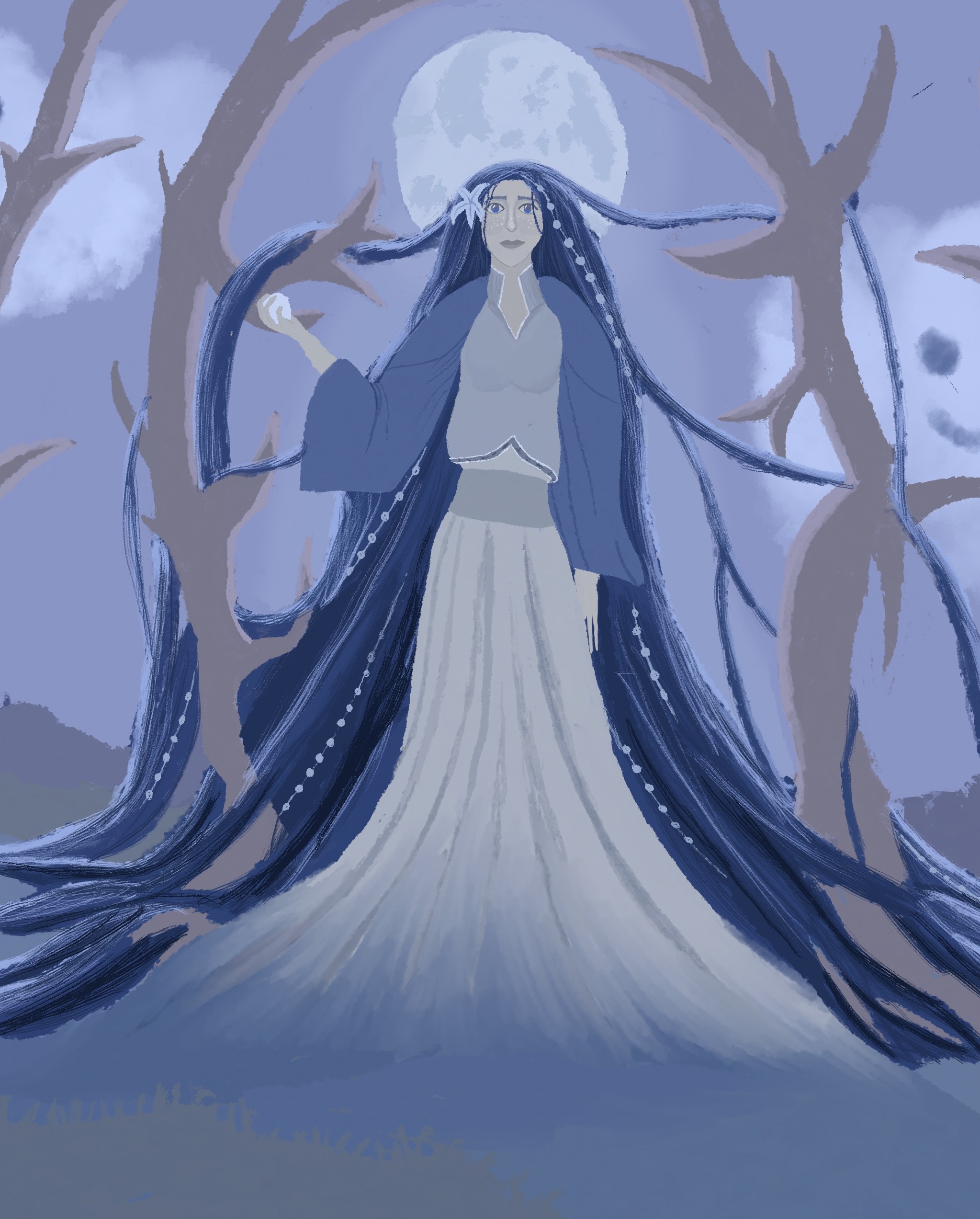
Overview
Magical rules of alteration
Alterations are, unless otherwise noted, temporary. The effects caused by these alterations are frequently not. If you get beaten up by a temporarily double-sized human, your bruises will have to heal normally, even if the human pops back to normal size.
Food, precious metals, etc
Altering something into food, or into a precious metal, and then attempting to use that metal or eat that food will not work the way it is intended. The evidence linking alteration and illusion comes, in part, from these vexing failures. Too bad it doesn’t help the person trying to turn a rock into gold and teleport with it.
List of changes
base level
Speed
Makes things move faster/slower but not hit harder. Does not give extra attacks or actions, but does allow faster progress, or the ability to fit into smaller time gaps. Use it to pull out into traffic. Also use it to not go splat when dropped.
Color
Skilled alteration make it look like the item is just supposed to be that color, with proper shading and such. Clumsy coloring looks posterized, flat and weird.
Texture
Make something slick and smooth or grippy and abrasive. Note that changes that affect function, for instance, smoothness of ball bearings, is much, much harder.
Size
Make it bigger or smaller, by about 40%. Multiple levels stack.
Shabbiness (12 wis)
Repair small damages, or add damages. Scuffs, blemishes, and more
Sturdiness (16 wis)
40% either way. Multiple levels stack. Not coincidentally, 2 levels of sturdiness equals a double.
Vibe (18 wis)
Vibe doesn’t affect function. That sets the limits, and also makes it detectable. Why does that supposedly fru fru hammer have such a sturdy shaft, and mean looking head?
add one level
Sharpness
Make something thinner, sharper, more pungent, crisper
Count
How many are there? Things will reappear when the spell ends, or appear to replace if they are under protection check, or are animate, or are valuable. The more complicated the thing, the harder to upcount.
Temperature
How hot is it. The amount changed is proportional to its current distance from body temperature, give or take. Research on the exact math is yet to be done.
Schedule (12 wis)
Change a periodic schedule to fit your needs. The more regular the thing, the harder it is to do. The less notable the schedule or period is, the harder to do.
Brokenness (16 wis)
Is the thing working as new, barely hanging in, broken, or a busted pile of parts. Multiple levels stack.
Purity (18 wis)
Can be used to separate, clarify or purify, or corrupt, adulterate, or dilute. Not generally possible with food or drink, or on precious items.
add two levels
purpose
Change a purpose to a related purpose. Multiple levels stack, allowing further deviance. The clearer the purpose, the harder the change.
Endurance
Make it last longer, with less wear, or be tired for less long. Usually has a rebound period, so rest when it expires, unless you enjoy damage.
Location
Don’t want it here. Make it there. Something in the way? Not a problem.
There are a number of caveats:
- The max range is 500 feet, even with extra power
- Superposing objects on each other causes the spell to fail
- The object takes one round to transition
- The object does not function while in transit
Toughness (12 wis)
Make it take damage it otherwise wouldn’t. Increase resilience
Sensitivity (16 wis)
Make the eyes more sensitive to light, or wood more sensitive to flame, or a pile of rock on a slope more sensitive to vibration
add three levels
Shape
Change one thing into another. The depth of the change and side conditions vary with spell
Material
Change the fundamental composition without changing anything else.
Gems and precious metals
Things transformed into spell components generally fail to operate correctly. Otherwise, changing something to gold, and teleporting would be the standard algorithm.
Alteration Spells
Small change
level:0
Increments or decrements a property a modest amount, lasts 5 hours or until caster unconscious
Snap
level:0
Greatly push a property in a direction, then let go, so it snaps back, and overcorrects. The whole effect takes place over one round.
Clamp
level:0
Restrict the amount the property can change. Great for preventing unwanted large changes, like what happens when objects fall. Requires concentration.
Know values
level:0
Until unconscious, just know several values on one object, or one value on several objects. There are definite limits on how much of this one can do at once, and still walk, and chew gum.
Hold
level:1
Forces a large change in the property, relying on concentration to hold it. Who says watched pots don’t boil?
Several Small Changes
level:1
Make a collection of small changes, all at once, and have them stay for 5 hours, or until caster unconscious.
Wiggle
level:2
Gain the ability to change the same property at will on a collection of similar or grouped objects. While concentration is maintained, use an action to make a small change on any subset of the group.
Overlay
level:2
Set an overlay that enfolds or surrounds the previous value, protecting that value from change. Make a mouse into a larger mousezilla, which will stay large until damaged, then abruptly be the undamaged small mouse again. Protect a wooden tool from the flames of the forge for a few minutes, while making it safe to handle.
Integrate
level:3
With concentration, gain a sense of a set of values, and set them, without taking an action. An action is required if the changes are complex.
Selective set
level:3
Make a value have a new value, sort of. In some ways the value is high, others low. Use this to create room temperature molten steel.